flora and family
Summers are a popular time to gather for family reunions… and a good time as any time to obLITTERate. This year I was excited to travel the highways and visit with extended family in the Midwest. Not far from Kansas City, Missouri, the resort was located near urban conveniences but uniquely surrounded by plenty of green space to enjoy a bit of nature too.
Accompanying me was Aldo Leopold’s book, A Sand County Almanac. His love and respect for nature inspires me.
On this trip, I was reading his July almanac entry detailing his experiences near Madison, Wisconsin, circa the late 1940’s. (Obviously not Missouri in the late 2020’s but timelessly relatable.)
Aldo expresses concern over the demise of plant species, specifically Silphium, due to the “progress” of highways, clearing away plants for pavement, and humans’ lack of attention.
“Mechanized man, oblivious of floras, is proud of his progress in cleaning up the landscape on which, willy-nilly, he must live out his days.”
He also offers a solution:
“… every highway is bordered by an idle strip as long as it is; keep cow, plow, and mower out of these idle spots, and the full native flora, plus dozens of interesting stowaways from foreign parts, could be part of the normal environment of every citizen.”
I began a leisurely walk around a large fishing pond (not far from a main road). Adjacent to the large pond was a boardwalk crossing a colorful swampy section filled with duckweed and debris. Noticing the litter, my walk turned quickly into an obLITTERating project.
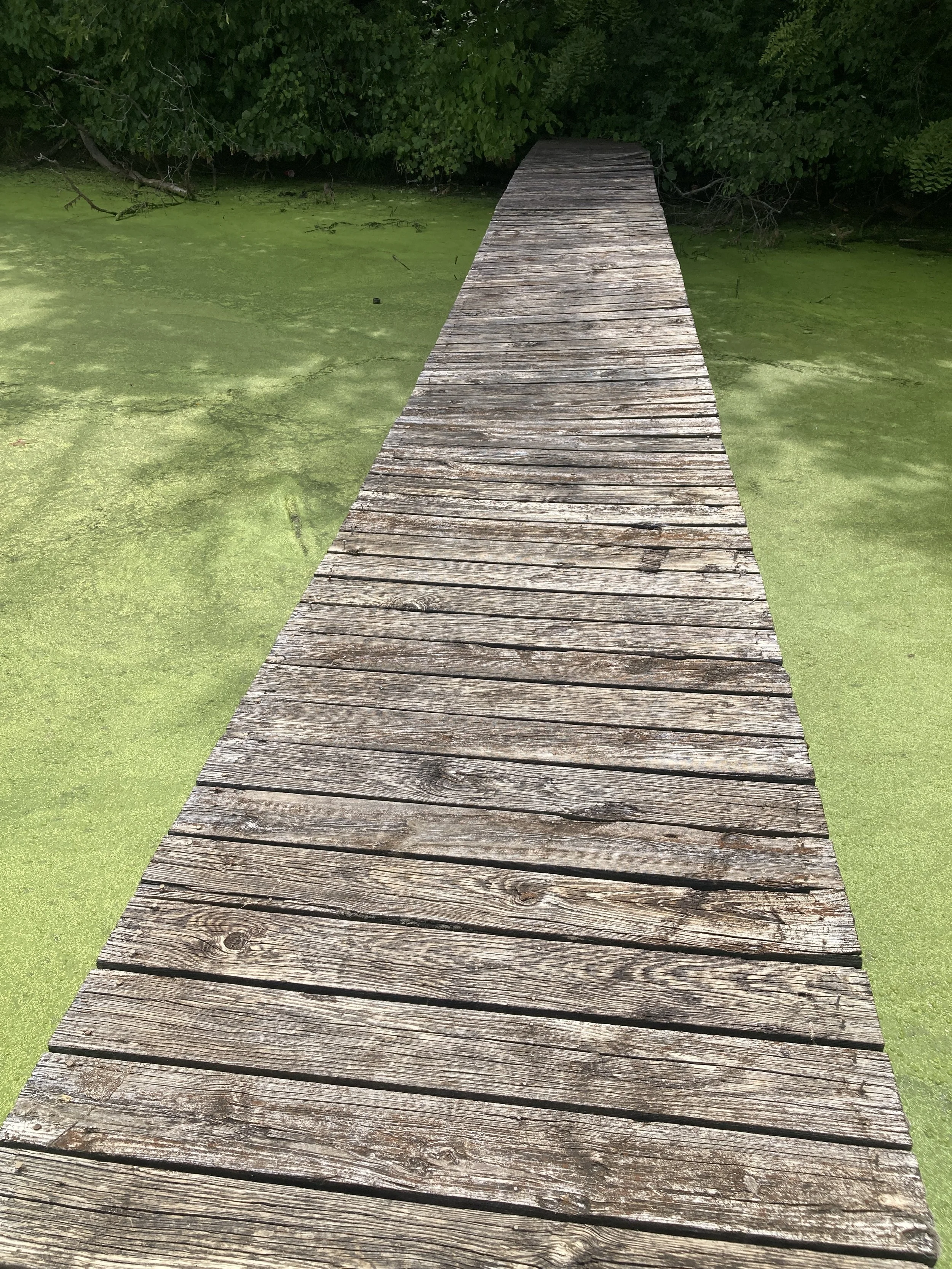
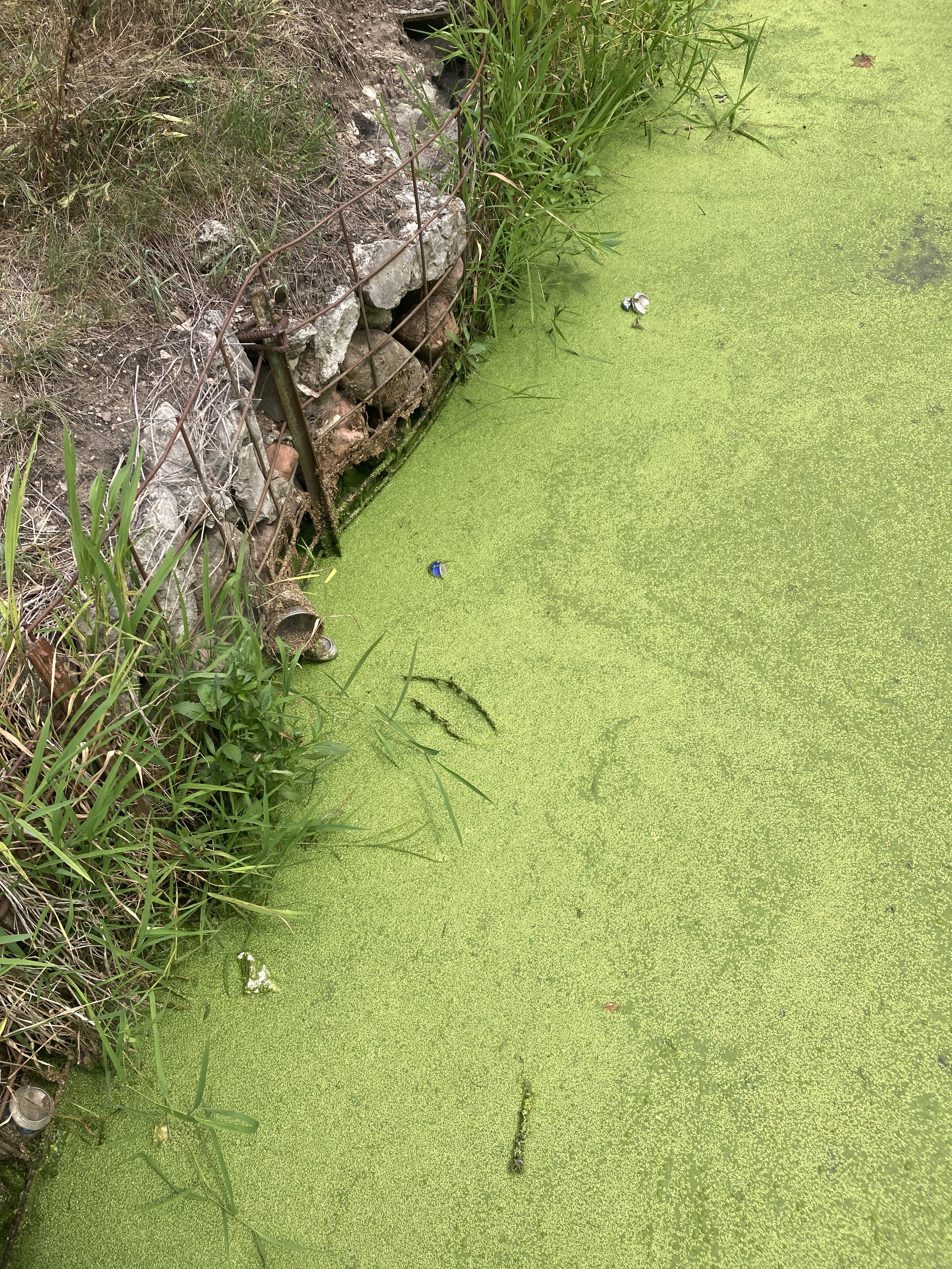
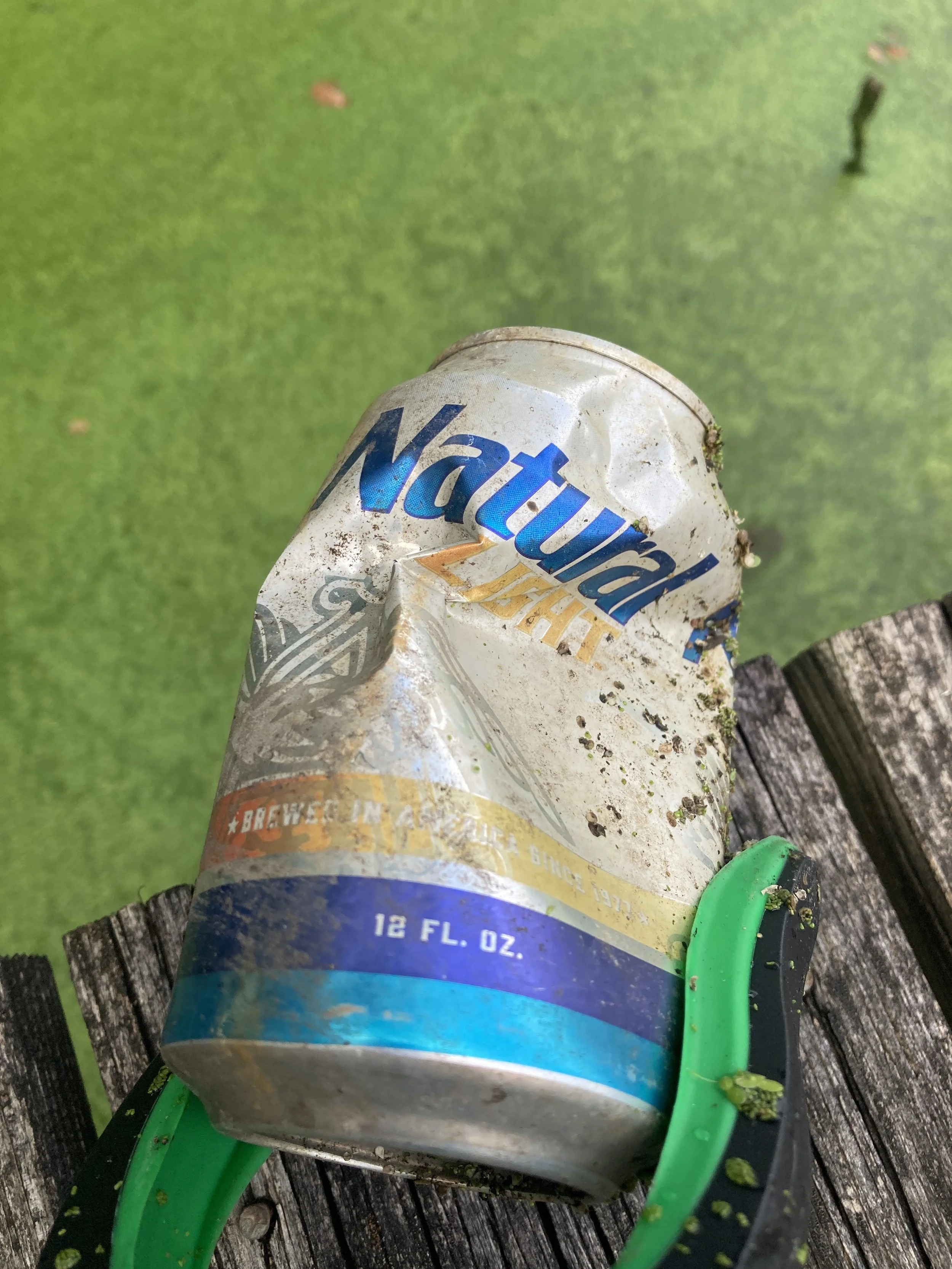
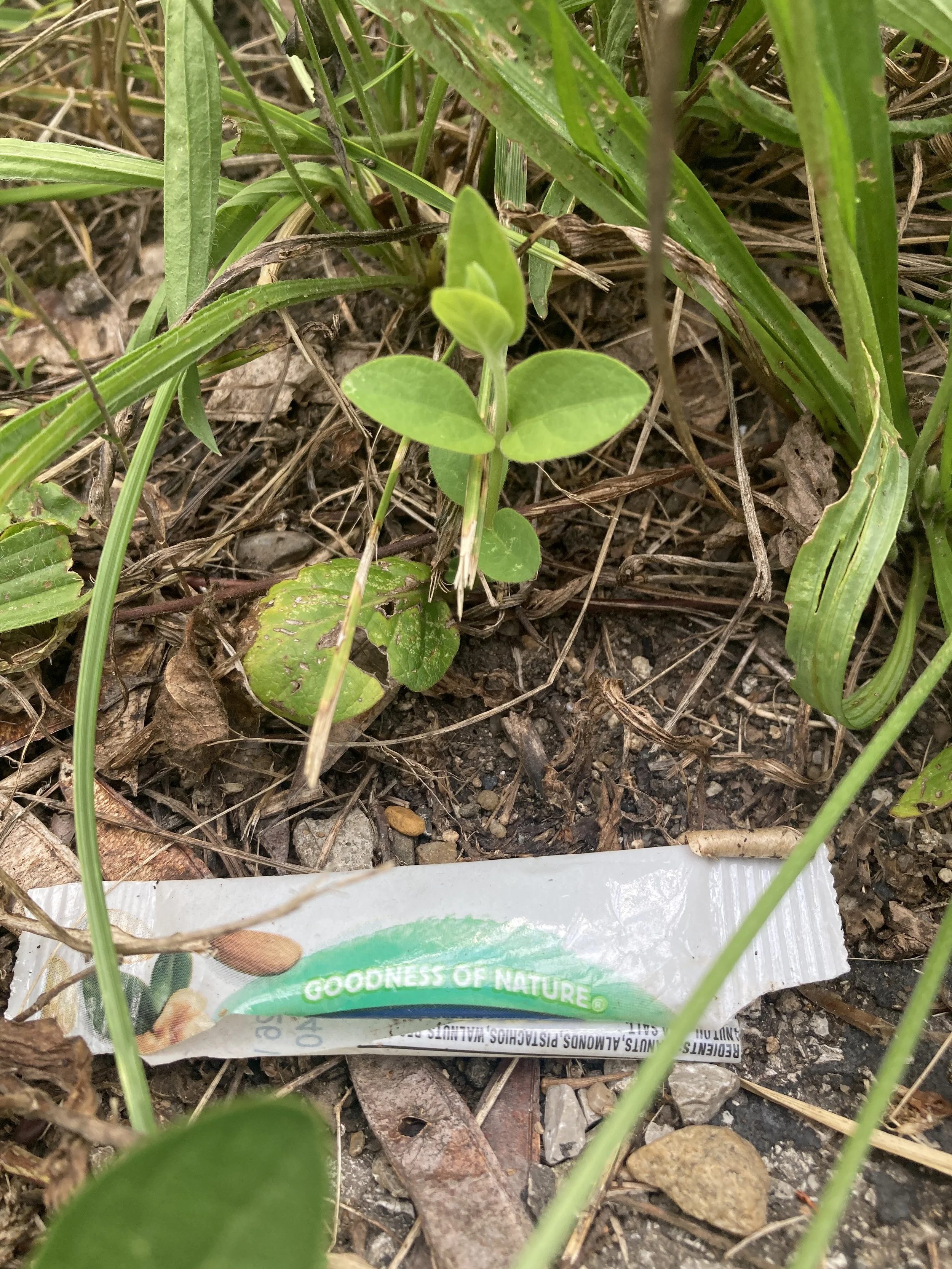
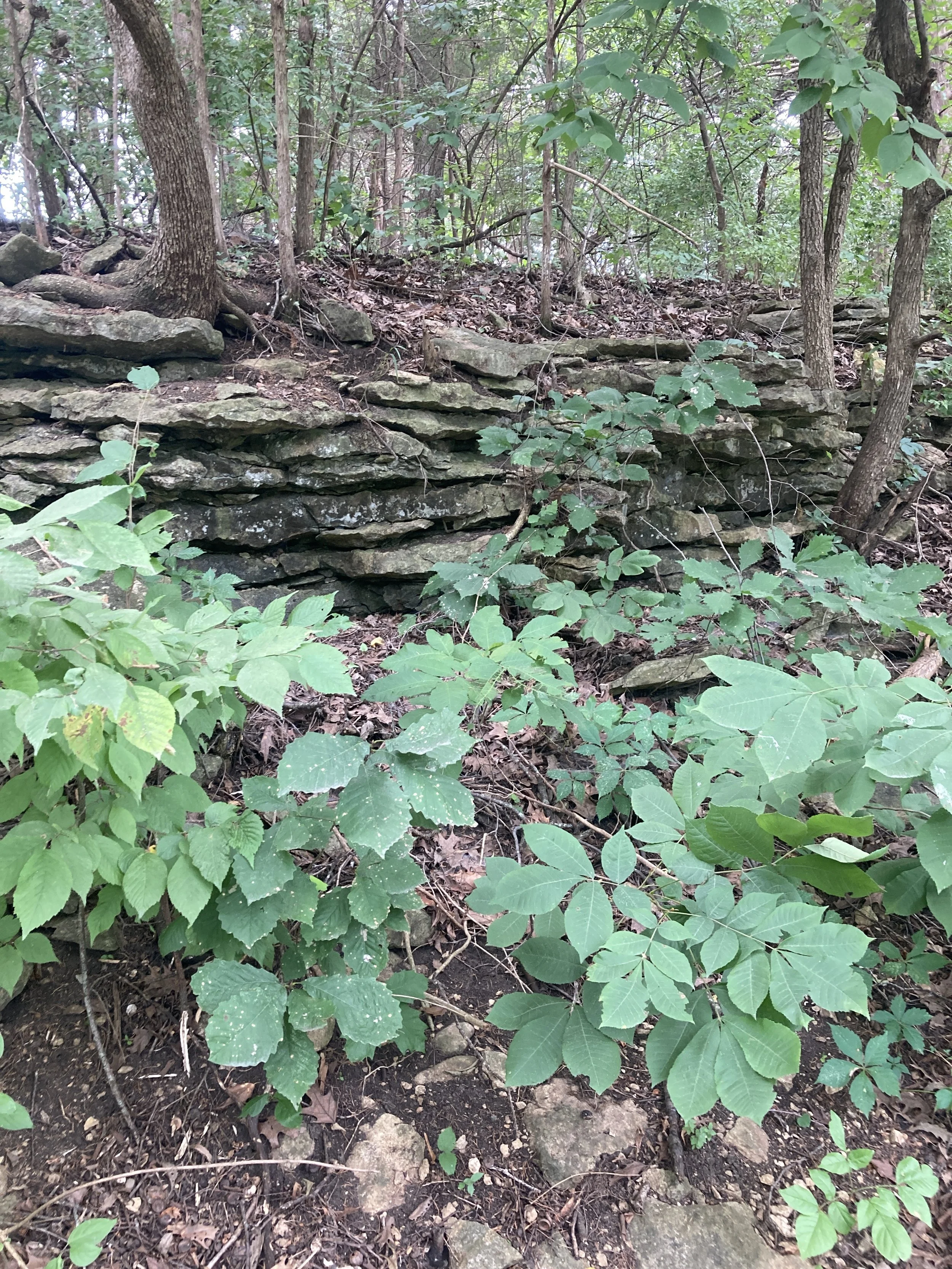
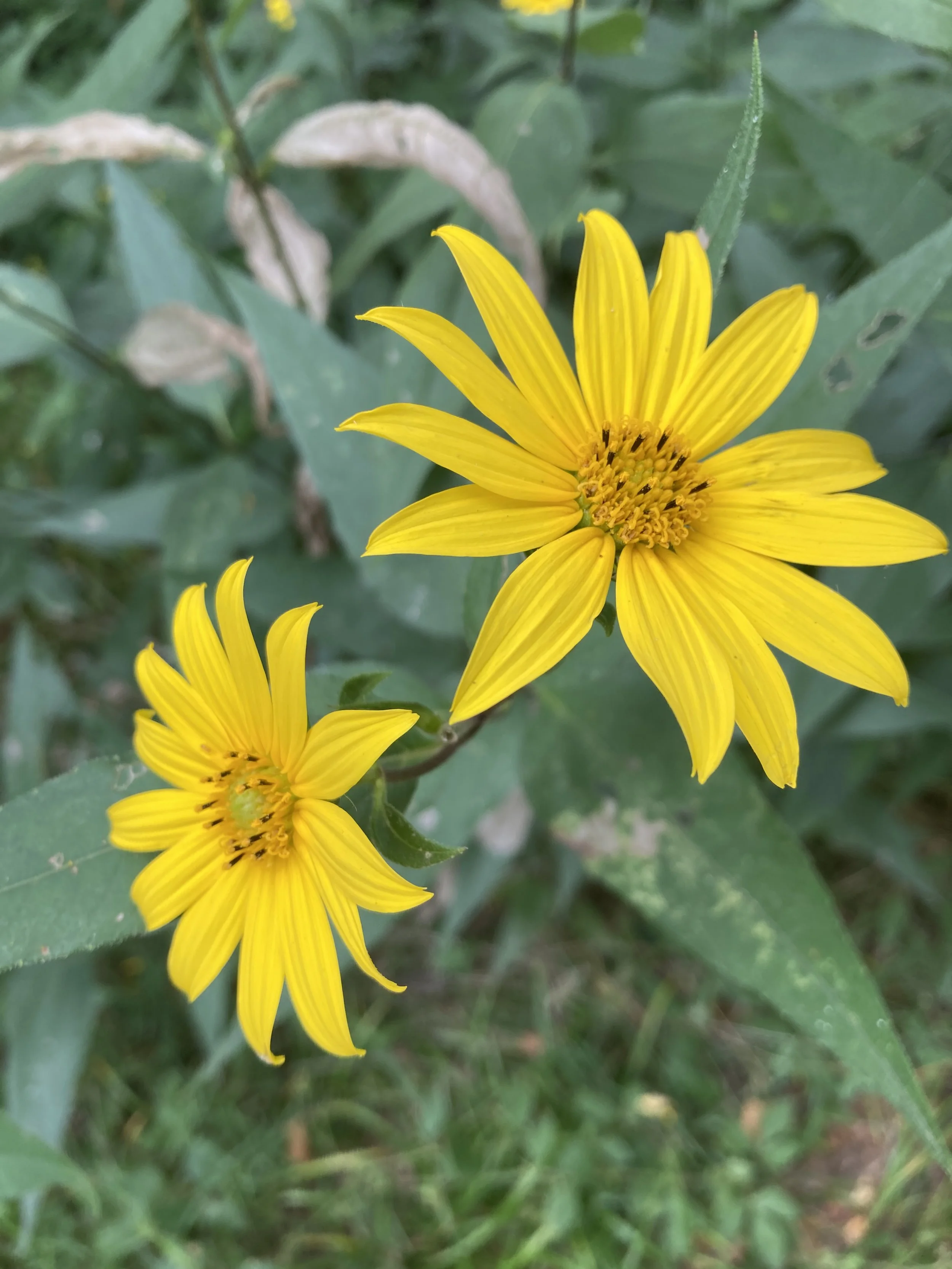
To that end, I’m glad I could tend to these idle spots near a road where citizens’ litter collects. In this small space, I filled a bag with nearly ten pounds of trash.
The work of obLITTERate is both action and attention. I’m grateful that we can find pockets of nature to nurture near our city-scapes; their loss would be a tragedy and I would be sad to lose them.
Flora and family are part of our lives and thus attention makes all the difference. There is a selflessness and boldness to care and to notice these things - their coming and going. In the words of Leopold, “We grieve only for what we know.”
If you’d like to support my work with a donation, click here. Thank you!